23 November 2026
Lock De-Icer, Lubricant, or Gentle Warming for an Iced Car Lock
Presented by @thecarkeyjournal
When Your Car Lock Freezes Solid
A frozen car lock is one of those small problems that can quickly become a big hassle. You turn the key, but nothing moves. The cylinder feels stiff or completely jammed. In freezing temperatures, moisture inside the lock mechanism turns to ice, blocking the pins and tumblers from moving. You might be tempted to force the key, but that can break it off inside the lock, turning a minor issue into a repair that needs a professional. Before you try anything, it helps to understand the three main approaches people use: chemical de-icers, lubricants, and gentle warming. Each has its place, and each comes with a few things to watch out for.
How Moisture Gets Into a Lock
Ice inside a lock cylinder forms when moisture gets in and temperatures drop below freezing. That moisture can come from rain, snow, or even the humidity in your breath if you try to warm the key with your mouth. Over time, the rubber seals around the lock can wear down, letting more water seep in. A key that is slightly wet can also deposit water into the cylinder. Once that water freezes, the lock becomes hard to turn. Understanding this helps you choose the right fix. Some methods remove the ice quickly, others prevent it from forming again, and a few can make things worse if used incorrectly.
Chemical De-Icers: Fast and Targeted
Lock de-icer is a spray designed to melt ice on contact. It typically contains alcohol or other solvents with a low freezing point. When you spray it into the keyhole, it seeps into the cylinder and dissolves the ice, often within seconds. This is the most direct way to handle a frozen lock. You can find de-icer sprays at most auto parts stores or keep one in your glovebox during winter. The key is to use the small straw that comes with the can to direct the spray into the lock opening. A quick burst is usually enough. If the lock is still stiff, wait a moment and try again.
One caution: de-icer can strip away the factory lubricant inside the lock. After using it a few times, the mechanism may feel drier and more prone to sticking. That is why many people follow up with a proper lock lubricant after the ice is gone. Also, avoid spraying de-icer on your car's paint or rubber seals, as the chemicals can damage them over time. If you use it regularly, consider reapplying a light lubricant to the cylinder every few weeks during winter.

Lubricants: Prevention and Maintenance
Lubricants for locks come in different forms: graphite powder, silicone spray, or PTFE (Teflon) based products. Graphite is a dry lubricant that does not attract moisture, making it a good choice for locks that see cold weather. Silicone spray repels water and can protect the rubber seals around the door as well. The idea is to apply a small amount to the key and insert it into the lock a few times to distribute the lubricant. This helps the pins move freely and reduces the chance of ice forming in the first place.
That said, lubricant is not an ice remover. If your lock is already frozen, spraying lubricant into it will not melt the ice. You need to deal with the ice first. Once the lock is working, a light application of lubricant can help keep it that way. Avoid using WD-40 or similar penetrating oils, as they are not designed for locks and can leave a sticky residue that collects dirt and moisture, making the problem worse over time. A dedicated lock lubricant is a better investment.
When applying lubricant, less is more. A single drop or a short spray is enough. Too much can gum up the mechanism or drip onto your car's interior. Wipe away any excess with a cloth. Doing this once at the start of winter and again mid-season is usually sufficient for most drivers.
Gentle Warming: The Low-Tech Option
If you do not have a de-icer spray on hand, gentle warming can work. The idea is to raise the temperature of the key and the lock cylinder just enough to melt the ice. One common method is to heat the key with a lighter or a match for a few seconds, then insert it carefully into the lock. The heat transfers to the cylinder, melting the ice around it. This can work well, but you need to be careful not to burn yourself or damage the key's plastic head or electronic chip. Many modern keys have transponder chips that can be ruined by high heat. If your key has a plastic head, heat only the metal blade, and do not let it get too hot to touch.
Another gentle warming approach is to use a hair dryer on a low setting, directed at the lock for a minute or two. This avoids direct heat on the key and can warm the entire cylinder area. Some people try pouring warm (not boiling) water over the lock. This can work, but the water can refreeze in the door frame or on the window, creating a bigger problem. If you use water, make sure you dry the area thoroughly afterwards. In very cold temperatures, even warm water can freeze quickly, so this method is best reserved for milder winter days.
A note on portable lock heaters: these are small battery-powered devices that slip into the keyhole and warm up. They can be effective, but they are not common and may not fit all lock shapes. If you have one, follow the manufacturer's instructions. Otherwise, a hair dryer or a heated key is usually enough.
What Not to Do
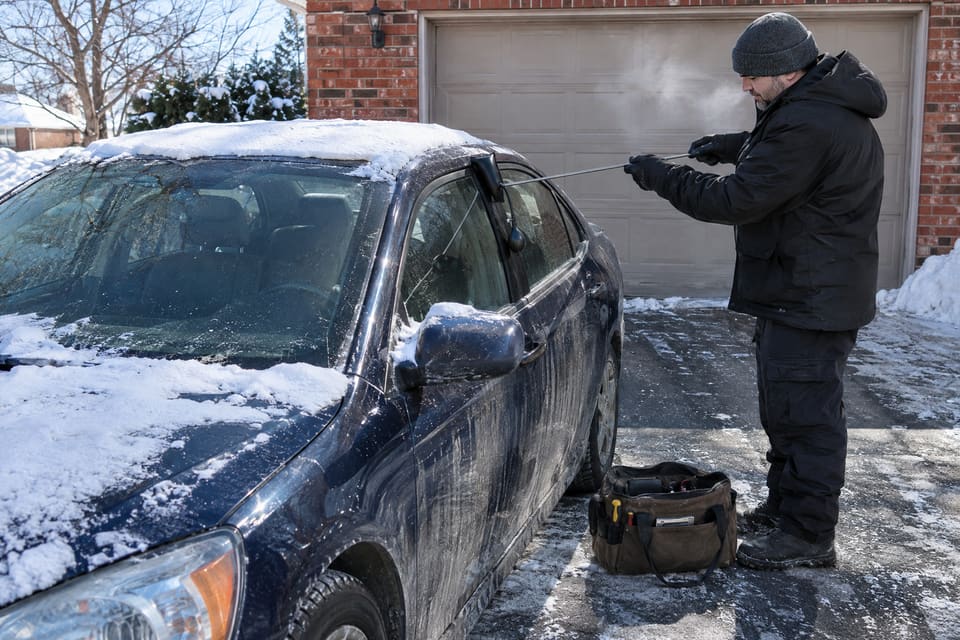
There are a few methods that can cause real damage. Never pour boiling water over a frozen lock. The sudden temperature change can crack the glass or warp the door frame. Avoid using a torch or any open flame near the car. The heat can damage the paint, the rubber seals, and the lock mechanism itself. Also, do not spray de-icer or any chemical into the lock if you see ice on the outside of the door or window. That ice can be a sign that the door seal is frozen to the frame, and forcing the lock open could tear the seal. In that case, you need to free the door seal first, often by gently pressing on the door or using a plastic wedge to break the ice seal.
If the lock is still frozen after trying these methods, or if the key breaks off inside, it is time to call a professional. A winter car locksmith has the tools to extract broken keys, open frozen locks without damage, and rekey or replace cylinders if needed. Trying to force a stuck lock with pliers or a screwdriver will usually make the problem worse and cost more to fix.
Comparing the Options
Each approach has a best use case. Chemical de-icers are the fastest fix for an already frozen lock. Keep a small can in your car or bag during winter, and you can be back on the road in seconds. Lubricants are for prevention and maintenance. Apply them before the cold weather hits, and you reduce the chance of ice forming in the first place. Gentle warming is a backup method when you do not have de-icer. It works, but it takes more time and care to avoid damage.
Your choice also depends on the type of lock you have. Older mechanical locks respond well to de-icer and graphite. Newer cars with electronic locking systems may have a different mechanism altogether. In some modern vehicles, the key cylinder is not directly connected to the latch; it is a switch that sends a signal. If that switch freezes, no amount of de-icer will help. You may need to warm the door handle or use the remote. Check your owner's manual to understand how your lock system works.
Another factor is the temperature. In extreme cold, below -20 C, even good de-icer can be less effective because the ice re-freezes quickly. In that case, warming the entire door area with a hair dryer or moving the car into a heated garage for a while may be the only reliable solution. A winter car locksmith can also help in these situations, as they have industrial-grade de-icers and tools that work in the harshest conditions. If you are dealing with a frozen lock and the temperature is well below freezing, do not hesitate to call for help. It is better than damaging your car.
Keeping the Problem from Coming Back
Once you have freed the lock, a little maintenance goes a long way. Dry the key and the lock opening with a cloth. Apply a small amount of lock lubricant or graphite powder. Check the rubber seals around the door for cracks or tears, and replace them if needed. A worn seal lets moisture in, and that moisture turns to ice. You can also treat the seals with a silicone-based rubber conditioner to keep them flexible and less likely to freeze to the door frame.
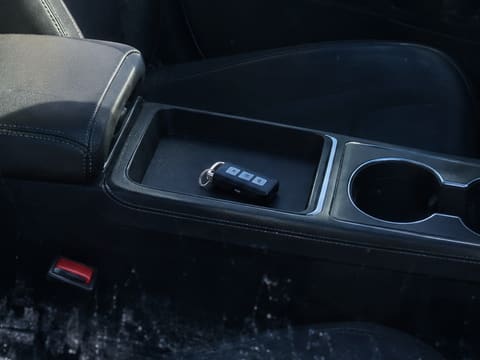
If your car has a keyhole cover, make sure it closes properly. Some cars have a small flap that snaps shut. If it is broken or missing, moisture gets in easily. A simple piece of tape over the keyhole in extreme weather can help, but remember to remove it before trying to insert the key. Also, avoid washing your car when temperatures are near freezing, as water can get into the locks and freeze later. If you do wash it, drive for a few minutes to let the air flow dry the locks, or use a blower to push out any moisture.
In the end, a frozen lock is rarely a crisis if you have the right tools and know what to do. A can of de-icer and a small tube of lubricant take up almost no space in your glovebox and can save you a lot of frustration. And if the lock is beyond your ability to fix safely, a winter car locksmith is just a phone call away. They see frozen locks every winter and can get you back inside your car quickly and without damage.